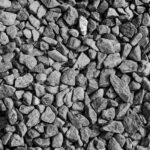
Using the right materials in construction and landscaping doesn’t just affect the strength and longevity of your project. It also has a real impact on the environment. At PP O’Connor Aggregates, we’re proud to supply a wide range of locally sourced aggregates that help reduce carbon emissions, support sustainability, and maintain quality for any project. By choosing local materials, you can achieve practical, high-performance results while making a positive environmental choice.
Why Locally Sourced Aggregates Matter
Aggregates are essential for everything from driveways and foundations to garden landscaping and public infrastructure. The distance materials travel from quarry to site can significantly affect their environmental footprint. Locally sourced aggregates cut down on transportation-related emissions, reduce fuel consumption, and support the local economy, all without compromising quality or reliability.

By sourcing your materials locally, you’re also contributing to a circular, sustainable approach to construction, making sure fewer resources are wasted and fewer emissions are released into the atmosphere.
Types of Locally Sourced Aggregates
At PP O’Connor Aggregates, we offer a mix of quarried and recycled options to suit different needs.
Quarried Aggregates
Freshly quarried stone like limestone, granite, and sand provides excellent strength and stability for heavy-duty applications. These quarried aggregates meet rigorous Series 600 and Series 800 standards, ensuring consistent quality for structural, landscaping, and surfacing projects.
Recycled Aggregates
Recycled aggregates are produced from construction and demolition waste, including concrete, brick, and asphalt. They’re ideal for sub-bases, temporary access roads, or general fill. Using recycled materials reduces landfill waste, lowers carbon emissions, and offers an environmentally responsible alternative to traditional quarried stone.
Decorative Aggregates
Locally sourced decorative stones, gravel, or slate chippings add style, texture, and durability to outdoor spaces. They’re a low-maintenance way to make gardens, driveways, and public spaces visually appealing while still minimising environmental impact. Learn more about decorative aggregates here.
Environmental Advantages of Local Aggregates
Reduced Transportation Emissions
The further aggregates have to travel, the higher the associated fuel use and CO₂ emissions. Local sourcing reduces delivery distances, meaning fewer emissions and a lower carbon footprint for your project.
Less Waste and Better Resource Efficiency
Choosing aggregates near the source helps reduce handling, packaging, and waste processing. It also supports recycling efforts by allowing materials to be repurposed efficiently within the local area.
Supporting Local Sustainability
Using local suppliers strengthens regional supply chains and encourages environmentally responsible quarrying and recycling practices. Local aggregates often come with robust quality checks and compliance with sustainability standards, meaning you get reliable materials while supporting ethical practices.
Practical Benefits for Your Project
Beyond environmental advantages, locally sourced aggregates offer clear practical benefits:
- Consistency and Quality: Shorter transport distances mean materials are less likely to degrade, segregate, or absorb moisture during transit.
- Availability and Speed: Local suppliers can provide faster delivery, ensuring your project runs on time without costly delays.
- Cost-Effective: Reduced transport costs and local sourcing efficiency often make local aggregates more affordable than more distant alternatives.
Tips for Choosing and Using Locally Sourced Aggregates
- Check the Source: Make sure your supplier verifies the origin and quality of their aggregates.
- Match the Material to the Project: Structural projects may need quarried stone, while landscaping might benefit from recycled or decorative aggregates.
- Plan Storage and Handling: Keep materials protected from moisture and contamination on-site. Proper storage ensures higher performance and longevity.
- Ask About Sustainable Options: Recycled aggregates or certified local quarries can further reduce environmental impact.
FAQs
What are locally sourced aggregates?
Locally sourced aggregates are materials like sand, stone, and gravel obtained from quarries or recycling facilities near your project site, reducing transport distance and environmental impact.
Why are locally sourced aggregates better for the environment?
Shorter delivery distances mean lower fuel use and CO₂ emissions. Using local suppliers also supports responsible quarrying and recycling practices.
Can recycled aggregates be considered sustainable?
Yes. Recycled aggregates reduce landfill waste, lower the demand for newly quarried materials, and minimise the carbon footprint of construction projects.
Are locally sourced aggregates suitable for all construction projects?
While excellent for groundwork, landscaping, and decorative purposes, high-strength structural applications may require specific quarried aggregates that meet engineering specifications.
Get in Touch
Ready to make your next project greener and more efficient? Contact PP O’Connor Aggregates today for top-quality quarried and recycled aggregates delivered across Manchester and surrounding areas. From structural use to decorative landscaping, our team will advise on the best choice for your project.