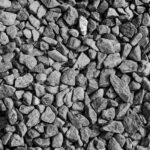
MOT Type 1 aggregate is the most widely used material for driveway sub-bases because it compacts into a strong, load-bearing foundation. When installed at the correct depth and compacted in layers, MOT Type 1 helps prevent rutting, cracking and water-related movement. In our experience, most driveway problems start below the surface rather than in the paving itself. Poor drainage, weak ground and inadequate compaction can all lead to movement over time, which is why getting the sub-base right from the beginning matters.
What Makes a Driveway Fail Over Time?
At PP O’Connor Aggregates, we’ve supplied MOT Type 1 and recycled aggregates across Manchester for decades. Based on our experience with domestic and commercial projects, poor compaction and inadequate drainage are the most common causes of driveway failure.

From what we’ve seen on countless jobs, the real issue is almost always in the foundation. Below are some common problems that tend to repeat.
- Soft ground left in place: Missed weak spots during excavation will settle later, no matter how good the finish looks.
- Water with nowhere to go: Poor drainage traps moisture, leading to buildup. Over time, water shifts fines, softens the base, and creates ruts.
- The wrong stone mix: A sub-base needs graded material that locks together under compaction. If the grading is off, it will never bind properly.
- Rushed or poor compaction: Thick layers or a quick pass with the compaction kit leave the lower section loose. The top feels firm, but the strength underneath is missing.
Why MOT Aggregates Are Used For Driveway Sub-Bases
We recommend MOT aggregates for driveway sub-bases because they:
- Form a stable, load-bearing layer.
- Compact tightly when laid in thin lifts.
- Lock together due to graded stone and fines.
- Cut down movement that leads to ruts and cracking.
- Perform consistently when grading stays properly controlled.
- Support better water behaviour than mixed, ungraded fill.
At PP O’Connor Aggregates, we supply recycled MOT aggregates produced under controlled processes, certified to the WRAP quality protocol, with independent testing to Series 600 and Series 800 standards where required.
MOT Type 1 Vs MOT Type 2 For Driveways

The choice between using MOT Type 1 or MOT Type 2 will determine how stable the driveway feels, especially after a wet spell.
Why MOT Type 1 Is The Right Choice
For most driveways, MOT Type 1 is the safer pick and it’s the material we recommend because it:
- Compacts tightly and holds its shape under repeated vehicle loads.
- Locks together well, which helps resist rutting and sideways movement.
- Handles wet conditions better once it is compacted correctly.
- Performs consistently on site when spread and compacted in thin lifts.
- Gives clear feedback under the roller or plate when it has tightened properly.
Why MOT Type 2 Is Rarely Suitable For Driveways
MOT Type 2 is usually the wrong trade-off for driveways because it can:
- Vary more from load to load, depending on the content.
- Include softer material that breaks down faster under traffic.
- Create extra fines over time, which can hold water.
- Start to “pump” in wet conditions, leading to movement in the build-up.
- Lose stability sooner, which can show up as dips, ruts, or surface cracking.
As we always say to customers: “If the base moves, the driveway moves. That’s the problem the sub-base has to stop.”
Step-By-Step Prep For A Long-Lasting Driveway
Before we run through the steps, here’s what we’ve learned matters most: getting the sequence right and controlling each layer stops most failures. Each stage checks the next one.
Step 1: Excavate To A Sound Formation: Remove soft ground and organic material. Fix wet spots before they build up. If the formation moves underfoot, it will move later.
Step 2: Set Falls and Think About Water Early: You want water to leave the driveway, not sit in it. Falls, edges, and drainage details address that. On clay-heavy ground, this becomes even more critical.
Step 3: Use a Separation Layer Where Needed: On weak or wet ground, a geotextile can help keep the layers separate. It reduces mixing between soil and stone. It can also limit pumping in wet conditions.
Step 4: Lay MOT Type 1 In Controlled Lifts: Keep each layer thin enough to compact fully. Spread evenly and avoid thick piles. A consistent lift compacts better than a patchy one.
Step 5: Compact Properly, Then Check It: Use the right compaction kit for the area. A roller for larger runs; a plate with tight access. Compact in passes until the material stops moving. The surface should feel tight and even, with no spring.
FAQs
Which MOT Aggregate Is Best For Driveways?
MOT Type 1 is usually the best choice for driveway aggregates. It compacts tightly and stays stable under traffic.
How Deep Should The Sub-Base Be?
Depth depends on ground conditions and expected traffic. Many domestic driveways use a sub-base in the 100–150 mm range, compacted in lifts. Soft ground may need more.
Can Recycled MOT Type 1 Perform Like Primary Stone?
Yes, if it is produced and tested properly. Look for WRAP protocol certification and consistent grading.
How Many Tonnes Of MOT Type 1 Do I Need?
Measure length x width x depth, then convert to volume. Your supplier can help convert volume to tonnes using the standard compacted density. We will talk it through before delivery.
Do I Need To Compact Between Each Layer?
Absolutely. Compaction between lifts is what creates a dense, load-bearing MOT sub-base. Skipping it is a fast route to movement later.
Get Your MOT Sub-Base Right
If you want a driveway that stays firm through north-west winters, our advice is always the same: start with the base. Get in touch and we’ll talk through your specific preparations, confirm the right MOT Type 1 for your site, and arrange delivery across Manchester and the surrounding areas.