Green building certification is becoming a standard part of UK construction, and material sourcing, particularly aggregates, plays a bigger part in that process than most project teams realise.
Green building certification isn’t a bonus feature anymore. It’s increasingly a requirement written into the brief before a project even breaks ground, and it changes how materials get specified from day one. For anyone working toward that kind of assessment, aggregate sourcing is one of the areas that’s easiest to get right and easiest to overlook.

At PP O’Connor Aggregates, recycled aggregates green building specification is something we’re asked about more often each year, particularly by contractors and developers working toward a certified outcome.
What Sustainability Assessors Actually Look For
Green building certification schemes assess a project across several categories, including material selection. Assessors aren’t interested in general claims, but they want to see where a material came from, how it was processed, and whether it’s been independently tested against a recognised standard.
That’s true whether the assessment is BREEAM, LEED, or another framework, and it’s the reason material specification decisions need to be made early, not adjusted after the fact.
This is where green building certification materials become a practical, not just theoretical, consideration. Material that can’t be traced or verified doesn’t strengthen a project’s sustainability case, no matter how sustainable it actually is.
Where Recycled Aggregates Fit In
Recycled aggregates support sustainability assessment in two straightforward ways: they reduce the amount of virgin material a project draws on, and they put construction and demolition waste to use rather than sending it to landfill. Both of those outcomes sit at the centre of what green building certification schemes are trying to measure and reward.
What matters for a project team is being able to back that up with evidence. Every recycled aggregate we supply is tested to the WRAP quality protocol, against Series 600 for groundworks applications and Series 800 for highway works, and our washed recycled pipe bedding is also tested to British Standard BS EN 13242.
That combination of independent testing and consistent grading is what gives a project team something concrete to hand to an assessor, rather than a general assurance that the material is “sustainable.”
What This Looks Like in Practice
Our team gets asked the same question from almost every contractor working toward a certified project: Can you show where this material came from and how it’s been tested? It’s a fair question, and it’s exactly why we test and grade every load to the same standards, whether it’s going onto a driveway or a large groundworks scheme.
Across our range, MOT Type 1 recycled provides a stable, compactable sub-base for roads, paths, and foundations. 6F2/6F5 serves as a capping layer beneath it, raising site levels before the sub-base is installed.
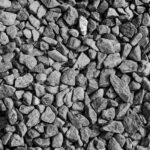
Washed clean aggregates, in 40-20mm and 75-40mm sizes, handle drainage applications where a clean, open-textured stone is needed. All of it is produced from recovered construction and demolition material, processed and graded in-house, and backed by the same testing standards on every delivery.
FAQs
How can recycled aggregates help achieve LEED or BREEAM certification?
Certification schemes require documented evidence that a material is what it claims to be, not just a general sustainability claim. Recycled aggregate tested to the WRAP quality protocol, with clear grading and testing records, gives a project team the kind of evidence an assessor needs to consider material sourcing and waste diversion within their assessment.
Since exact requirements vary by scheme and version, it’s worth confirming specifics with your project’s assessor early in the design stage.
Which green building credits do recycled aggregates contribute to?
Recycled aggregates typically support the material sourcing and construction waste management categories within a green building assessment, since they reduce demand for virgin material and divert construction and demolition waste from landfill.
The precise credit structure depends on which scheme and version a project is being assessed against, so we’d always recommend checking the current criteria with your assessor rather than assuming credit availability.
What to Do Next
Recycled aggregates green building specification comes down to one thing: proof. The material itself does the environmental work, but it’s the testing and traceability behind it that actually support a certification outcome.
That’s why every load we supply is tested to the WRAP quality protocol and graded to recognised industry standards, so contractors and developers have something solid to work with when the assessor comes asking.
Specifying recycled aggregates for a certified project? Get in touch with our team to discuss your requirements, or view our range of recycled aggregates. You can also call us on 0161 776 0333.