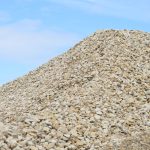
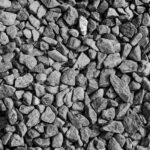
Tip a bag of each onto the ground and, at a glance, they look much the same. Both are sand. Both are the kind of thing a builder’s merchant hands over without much explanation. But on site, sharp sand and building sand behave very differently, and using the wrong one can quickly lead to cracked mortar or paving that shifts underfoot.
This guide settles the confusion. What each type of sand actually is, what it is used for, and how to make sure you order the right one first time. Choose sharp sand vs building sand correctly, and the job holds up. Get it wrong, and you may have to redo it.

What Is Sharp Sand?
Sharp sand is the coarser of the two. The grains are larger, grittier, and more angular; you can feel the difference the moment you run it through your fingers. Those sharp-edged particles lock together when compacted, which is exactly what you want when strength and stability matter.
The coarseness does three useful things. It lets water drain through freely rather than sitting in the mix, adds structural strength, and reduces shrinkage as the material cures. That combination makes it a hardworking, structural material rather than a finishing one.
Typical sharp sand uses include:
- Laying paving and slabs, where it forms a firm, well-draining bedding layer. Sharp sand for paving is one of its most common applications.
- Screeding floors ahead of a final surface.
- Mixing concrete, where the grit adds strength to the finished mix.
- Acting as a base layer beneath surfaces that need to stay put.
If the job calls for load-bearing, drainage, or a stable foundation, sharp sand is usually the answer.
What Is Building Sand?
Building sand, also known as soft sand or bricklaying sand, is the finer, smoother option. The grains are smaller and softer, and the material feels almost silky compared to the grittiness of sharp sand.
That fineness is the whole point. It produces a smooth, pliable, workable mix that spreads cleanly and holds its shape precisely what a bricklayer needs when working at pace. A mortar made with building sand stays buttery on the trowel and beds bricks and blocks neatly without fighting you.
Common building sand uses include:
- Mortar for bricklaying and blockwork. Its primary role is mortar, valued for how easily it works.
- Rendering, where a smooth finish matters.
- Pointing, where you need a fine, consistent mix to fill and finish joints cleanly.
Sharp sand is about structure; building sand is about workability and finish.
Sharp Sand Vs Building Sand: The Key Differences
Set side by side, the contrast is clear. A quick reference for building sand vs sharp sand:
Feature: Sharp Sand; Building Sand Grain size: Larger, coarse Smaller, fine Texture: Gritty, angular Smooth, soft Drainage: Good Poor Strength: High Lower Workability: Lower High Typical use: Paving, screeding, concrete, base layers Mortar, rendering, pointing.
Sharp sand is coarse and structural. Building sand is fine and workable. One is built for strength and drainage, the other for a smooth, easy-to-handle mix.
Can You Use One Instead Of The Other?
Short answer: no, not without consequences.
Use sharp sand for pointing or bricklaying mortar, and you will struggle with the workability. The grit makes the mix harder to handle and can leave a weaker, rougher result that doesn’t finish cleanly.
Go the other way: use building sand under paving, and you run into different problems. The fine grains hold water rather than draining it, and they don’t compact into the firm, stable bed slabs need. The result is bedding that can shift and settle, taking your paving with it.
The rule is straightforward. Match the sand to the job rather than reaching for whatever happens to be in the yard.
How To Choose The Right Sand
Start with what the job actually needs. If you need structure, load-bearing capacity, or drainage, choose sharp sand. If you need a workable mix for bricklaying, rendering, or pointing, that is building sand.
It also pays to buy from a reputable aggregates supplier. Consistent grading and reliable quality make a real difference to how a mix performs, and a knowledgeable supplier can confirm you are ordering the right material and the right quantity before anything lands on site. At P. P. O’Connor Aggregates, the team can advise on the correct sand for your project and deliver it across Greater Manchester and the North West.
Frequently Asked Questions
What is the difference between sharp sand and building sand?
Sharp sand has larger, coarser, angular grains that lock together when compacted, giving it high strength and good drainage, making it ideal for structural work. Building sand (also called soft sand) has finer, smoother grains that produce a workable, pliable mix suited to bricklaying, rendering, and pointing. One is built for structure and drainage; the other for workability and finish.
Can I use sharp sand instead of building sand?
No, swapping one for the other causes real problems. Sharp sand used in bricklaying mortar or pointing is harder to work with and can produce a weaker, rougher result. The two sands serve different purposes and aren’t interchangeable, so match the sand to the job.
Which sand should I use for laying paving slabs?
Sharp sand is the right choice for laying paving slabs. Its coarse, angular grains compact into a firm, stable bedding layer and drain freely, preventing water from sitting beneath the surface and causing the slabs to shift or settle over time.
The Final Takeaway
Sharp sand is coarse and structural, built for paving, screeding, and concrete. Building sand is fine and workable, made for mortar, rendering, and pointing. They are not interchangeable, and choosing the right one protects both the finish and the longevity of the work.
Not sure which one your project needs?
Contact the P. P. O’Connor Aggregates team on 0161 776 0333 or contact@ppoconnor.co.uk for advice on the right sand, quantities, and delivery.