Ask what Type 1 aggregate is used for, and the short answer is this: it is a well-graded crushed stone used primarily as a sub-base beneath roads, pavements, driveways, and hardstanding.
Also known as MOT Type 1, it is one of the most widely specified materials in groundworks across the country. This guide covers what it is, what it is used for, and how it is specified, so you can order the right material with confidence.
What Is Type 1 Aggregate?
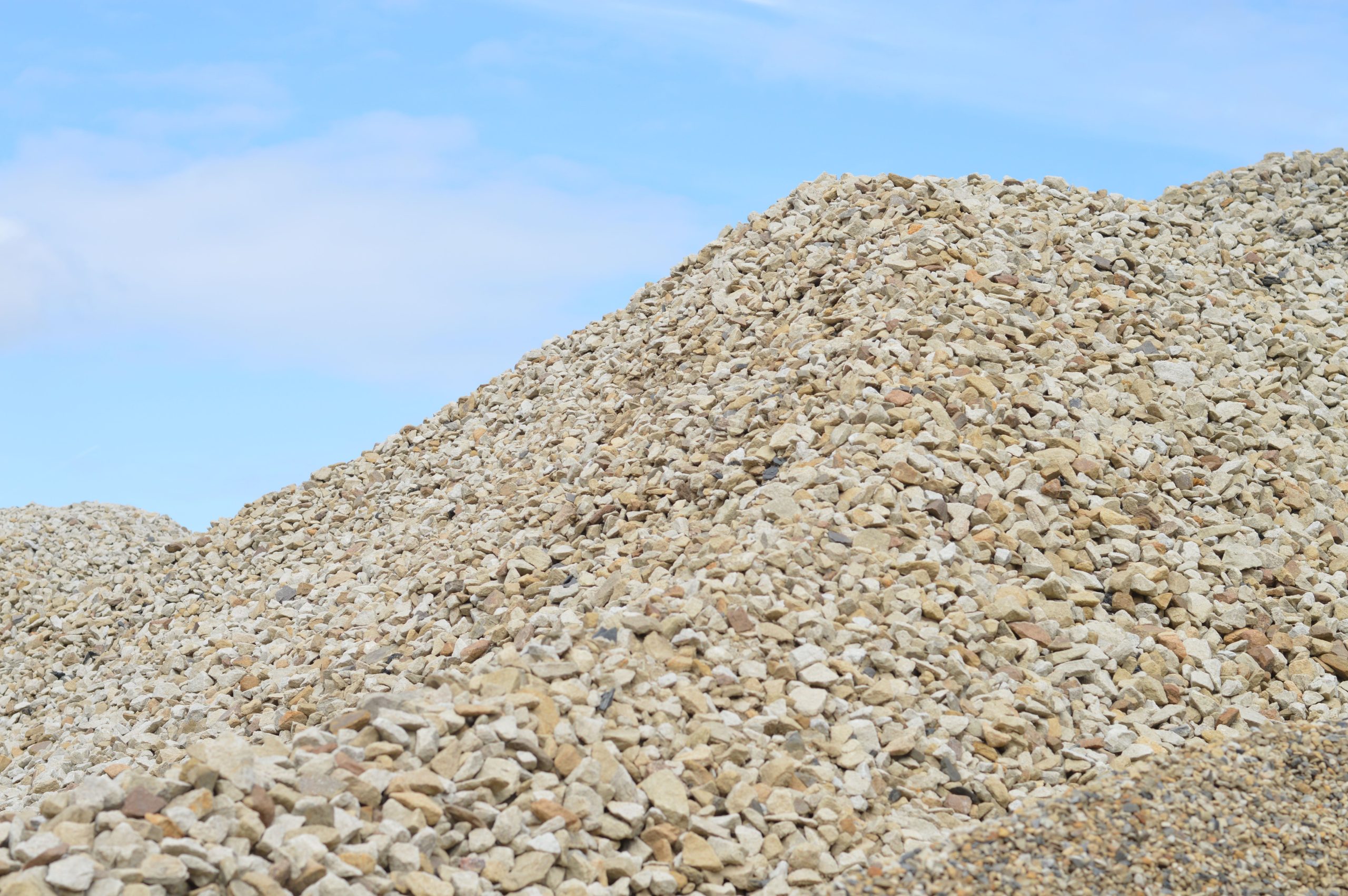
Type 1 is a crushed stone material that meets the Department for Transport’s Specification for Highway Works. That specification is where the “MOT” name comes from – a reference to the old Ministry of Transport standard that still lends the material its label today.
What sets it apart is its well-graded nature. In plain terms, that means it contains a controlled blend of particle sizes, from larger pieces of stone right down to fine dust. That mix, rather than a single stone size, gives Type 1 its defining behaviour on site.
It is typically produced from crushed limestone, granite, or recycled crushed concrete. When the recycled version is certified to the WRAP quality protocol, it meets the same technical standards as its quarried equivalent.
Why Is Type 1 So Widely Used?
The reason comes down to how MOT Type 1 aggregate behaves once it goes down. Because it contains everything from larger stone to fines, the smaller particles fill the gaps between the larger ones.
Compact it properly and the whole layer locks together, forming a firm, stable, load-bearing base that resists movement, rutting, and settlement.
That same graded structure also provides reasonable drainage when laid and compacted correctly, allowing surface water to disperse rather than sit. Strength, stability, and workability in a single material that is why it turns up on almost every groundworks project, large or small.
What Is Type 1 Aggregate Used For?
MOT Type 1 has a long list of uses, but the core applications are consistent whether you are on a major civil scheme or a domestic driveway:
- Sub-base for roads, highways, and car parks: the compacted load-bearing layer beneath the surface course
- Sub-base beneath block paving, patios, and driveways: a firm foundation that handles vehicle weight without shifting
- Base layer for footpaths and pavements
- Foundation layer for slabs, sheds, and hardstanding
- Base for artificial grass, kennels, and equestrian surfaces
- Backfilling, haunching, and general groundworks
The Type 1 sub-base is the common thread through all of these. Whatever goes on top, from tarmac to block paving to a concrete slab, needs a stable platform beneath it, and Type 1 is the standard specification for that job.
It works equally well on large-scale construction and on smaller landscaping projects.
Type 1 aggregate specification and size
The standard Type 1 aggregate size runs from 40mm down to dust, usually written as 0-40mm. That full range of particle sizes is exactly what allows it to compact so tightly. Nothing in the mix is wasted; the larger stone provides the structure, and the fines bind it together.
On the compliance side, the Specification for Highway Works sets out the Type 1 aggregate specification. Material certified to this standard performs consistently from load to load, which matters when the base has to carry weight for years.
It helps to understand how Type 1 differs from related materials:
| Material | Key Characteristics | Typical Use |
| Type 1 | Well-graded, 0-40 mm, compacts tightly | Load-bearing sub-base |
| Type 2 | Higher proportion of fines | Lighter-duty applications |
| Single-size / clean stone | Uniform size, does not bind | Drainage, not compaction |
Type 1 vs Type 2 is the distinction people ask about most. Type 2 contains a larger share of fines and is generally used for lighter-duty work.
Single-size or clean stone, by contrast, is an open material that doesn’t compact the same way and suits drainage rather than load-bearing layers.
How to lay Type 1 sub-base
The method is straightforward. Excavate to the required depth, then lay the Type 1 in layers rather than all at once.
Compact each layer thoroughly using a plate compactor or roller before adding the next, and finish with a firm, even surface ready for whatever goes on top.
As a general guide, domestic driveways call for a shallower sub-base than vehicular or heavy-load applications, which need greater depth to carry the weight.
For anything load-bearing, it is always worth confirming the depth for your specific project before you order.
FAQ’s
What is MOT Type 1 used for?
MOT Type 1 is used primarily as a sub-base beneath roads, driveways, car parks, block paving, patios, footpaths, slabs, hardstanding, and artificial grass surfaces.
It is the standard specification material for creating a stable, load-bearing foundation layer in groundworks, on both large civil schemes and smaller domestic projects.
Is Type 1 Aggregate Suitable for Driveways?
Yes, Type 1 is well suited to driveways.
It is commonly specified as the sub-base beneath block paving and other driveway surfaces, providing a firm, compacted foundation that handles vehicle weight without shifting or settling.
How Deep Should MOT Type 1 Be?
As a general guide, domestic driveways require a shallower sub-base than vehicular or heavy-load applications, which need greater depth to carry the weight.
The exact depth depends on your project and intended load, so confirm the right specification before you order.
Choosing a Reliable Type 1 Supplier
A sub-base is only as good as the material it is built from. Consistent grading and genuine specification compliance are what separate a base that lasts from one you end up revisiting. If the material varies from load to load, the finish does too.
PP O’Connor Aggregates supplies quality, specification-compliant Type 1 aggregate for construction and landscaping projects, with flexible load sizes to suit projects of every scale.
To discuss supply, volumes, and delivery, visit www.ppoconnoraggregates.co.uk or contact the team on 0161 776 0333 or contact@ppoconnor.co.uk.