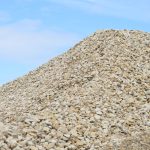
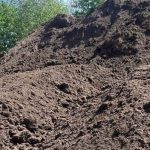
Pick up a bag of topsoil and a bag of compost side by side, and the labels rarely make it obvious which one you actually need.
People use them interchangeably in conversation, pile them into the same corner of the yard, and buy them by guesswork. But they do different jobs, and buying the wrong one can leave a planting bed too rich or a new lawn sitting on nothing solid.
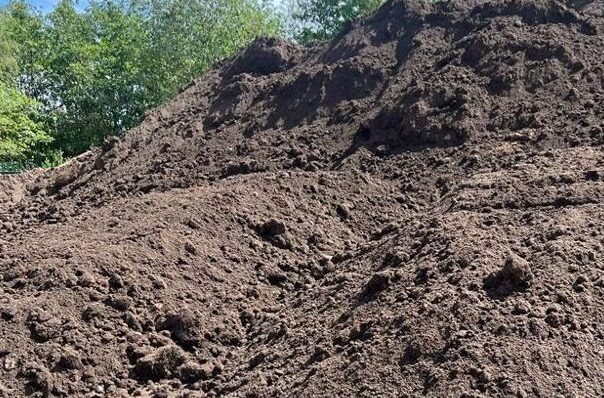
This guide clearly explains the topsoil vs compost question and helps you choose the right material for your project.
What Is Topsoil?
Topsoil is the upper layer of soil, the part that sits above the subsoil and does the actual growing. It is a blend of mineral particles sand, silt, and clay mixed with a smaller proportion of organic matter. That mineral content is what gives it body.
Think of topsoil as the structural growing base for most gardens. It provides stability underfoot, holds its shape when you build up a bed or level ground, and gives roots somewhere firm to anchor and spread. It is the foundation everything else builds on.
Quality varies by load, and grade matters. Screened topsoil has been passed through a mesh to remove stones, roots, and debris, leaving a finer, more consistent material that is easier to work. Unscreened topsoil is coarser and better suited to bulk filling where appearance is not the priority.
What Is Compost?
Compost is decomposed organic matter, broken-down plant material, rich in nutrients and biologically active. Where topsoil is mostly mineral, compost is fully organic.
Its job is to feed and improve, not to build. Compost is a soil improver and a nutrient source, and for most garden uses it is not meant to be a standalone growing base.
Compost differs from topsoil in both composition and purpose, and that is the trade-off. It delivers a strong shot of nutrients and improves the ground it is worked into, but it decomposes over time.
That means you need to top it up and replace it, rather than lay it once and forget it.
The Key Difference Between Topsoil and Compost
Structure versus nutrition: that is the simplest way to understand the difference between topsoil and compost.
Topsoil gives you a stable, long-lasting base. Compost gives you a rich, short-term boost.
Here is the topsoil vs compost comparison at a glance:
| Topsoil | Compost | |
| Composition | Mineral particles plus some organic matter | Fully decomposed organic matter |
| Primary purpose | Structure and growing base | Nutrients and soil improvement |
| Nutrient content | Moderate | High, but depletes over time |
| Longevity | Long-lasting and stable | Breaks down and needs replacing |
| Typical use | Bulk filling, levelling, lawns | Enriching, mulching, seed starting |
Topsoil Uses
Topsoil is the go-to material for most garden and groundwork projects. Common topsoil uses include:
- Filling raised beds and borders where you need volume and body
- Levelling and landscaping to even out dips, slopes, and uneven ground
- Laying new lawns and turf, giving grass a firm, consistent base to root into
- General bulk ground preparation ahead of planting or building up an area
If the job needs volume and structure, topsoil is almost always the answer.
Compost Uses
Compost comes into its own wherever the ground needs feeding rather than filling. Typical compost uses include:
- Enriching existing soil by digging it in to add nutrients
- Mulching around plants to suppress weeds and lock in moisture
- Improving structure and moisture retention in tired or compacted ground
- Boosting nutrient-hungry crops and containers through the growing season
Compost suits any situation where the growing base is already in place, but the soil needs feeding or improving.
Can You Mix Topsoil And Compost?
Yes, and for planting, it is often the best approach. A topsoil and compost mix gives you both structure and fertility in one go: topsoil provides the stable base and body, while compost worked through it adds the nutrients young plants need.
A practical approach is to use topsoil as the main base and blend in compost, adjusting the balance to suit the scale of the job and what you are planting. The result holds its shape like topsoil but feeds like compost.
Which Do You Need?
A straightforward way to choose:
- Need a base, bulk fill, or a new lawn? Go with topsoil.
- Need to feed and improve existing soil? Go with compost.
- Planting into new beds? Use a mix of both.
FAQ’s
What Is the Difference Between Topsoil and Compost?
The key difference is structure versus nutrition. Topsoil is a blend of mineral particles and organic matter that provides a stable, long-lasting growing base ideal for filling, levelling, and laying lawns.
Compost is fully decomposed organic matter that feeds and improves soil, but breaks down over time and needs topping up rather than being laid once and forgotten.
Can You Use Compost Instead of Topsoil?
For most garden projects, compost is not a suitable standalone replacement for topsoil. Planting directly into pure compost causes it to hold too much moisture, settle heavily, and run out of steam as it decomposes.
It is a soil improver and nutrient source, not a structural growing base.
Should I Mix Topsoil With Compost?
For planting, a mix of both is often best. Blending compost into topsoil roughly two to three parts topsoil to one part compost, gives you the stable structure of topsoil combined with the fertility of compost, creating an ideal environment for young plants to establish.
Getting It Right First Time
Topsoil builds, compost feeds, and a blend of the two is ideal for planting.
If you are unsure which material you need or how much, contact the team at P. P. O’Connor Aggregates for straightforward advice, or browse the available topsoil and soils to find the right fit for your project.